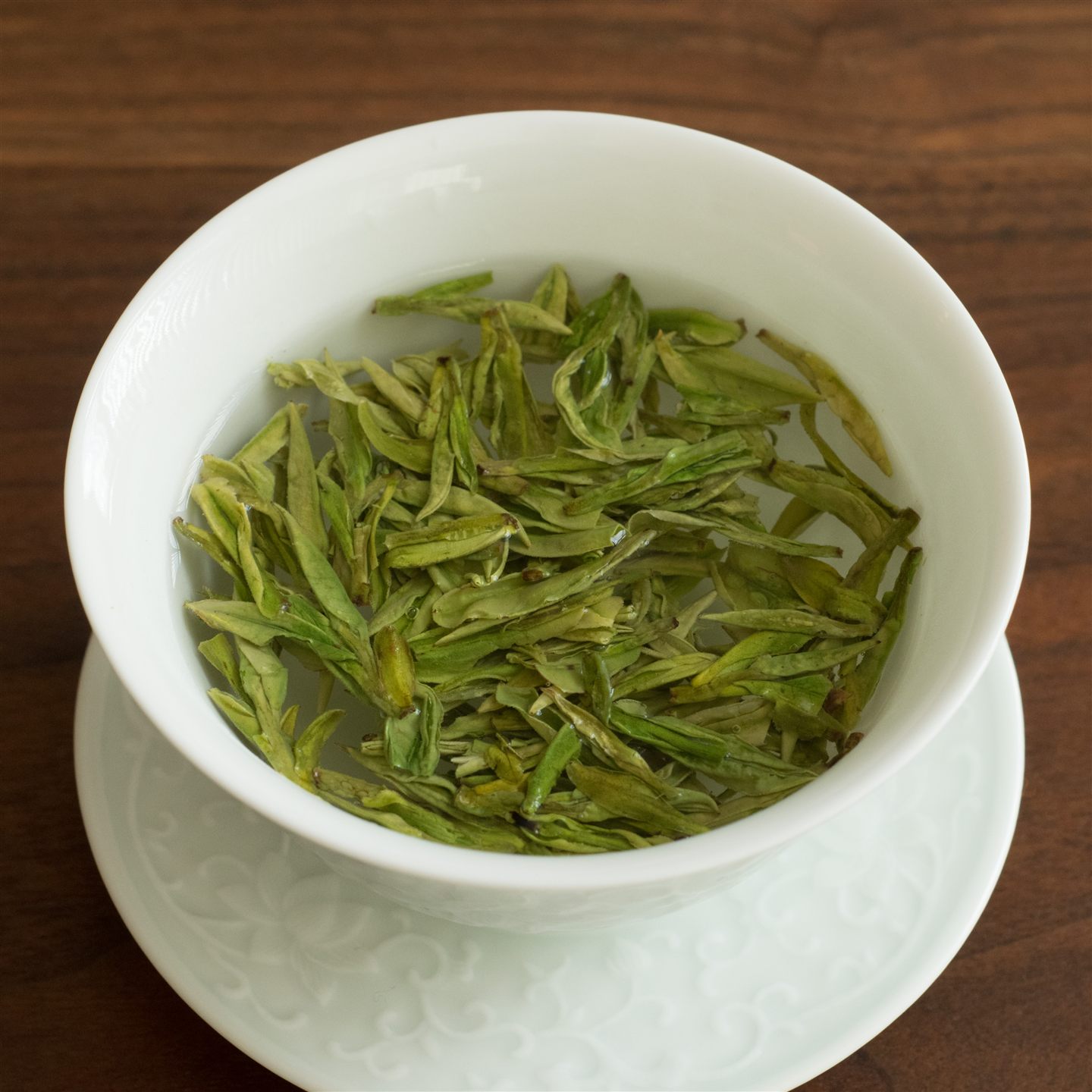
Starting ranges, not universal rules: about 80–85°C for tender Chinese green tea; about 95–100°C for many oolongs. Check the particular tea’s label first.
Taste the water before brewing
If plain water has a noticeable chlorine, metallic, or other unwanted taste, that character can carry into a delicate cup. TeaVivre suggests filtered tap water or bottled spring water as practical alternatives when local tap water interferes with flavor. Use ordinary drinking water that you trust; do not assume water collected outdoors is suitable because it is described as a spring.
Try a simple comparison if a tea keeps tasting dull: brew equal doses of the same leaves with your usual water and with a different safe drinking water. Keep the vessel, temperature, and infusion time the same. The comparison tells you whether water makes a difference in your own kitchen without requiring a universal mineral target.
Follow the instructions for your particular tea first.
Match the heat to the leaf
Tender green leaves commonly receive water around 80–85°C in producer instructions. Many oolong and pu-erh guides begin near boiling. These are broad starting places, not a ranking of which tea is better or a law for every example. One Chinese green tea producer guide even varies temperature by leaf shape and maturity, which is why the instructions for the specific tea deserve priority.
The same water can also behave differently in different vessels. A thick pot holds heat longer than an open glass. A small gaiwan and a large mug use different leaf-to-water ratios and contact times. Change heat gradually while keeping dose and time steady, so you can tell whether the new temperature improved the cup.
- Tender green tea: begin around 80–85°C if the packet gives no guidance.
- Many oolongs: begin around 95–100°C, then check the maker’s style-specific advice.
- For other teas, consult the supplied brewing note instead of borrowing either range.
Control temperature without fuss
A temperature-control kettle makes repeat attempts easy, but it is optional. If you have a basic kettle and a kitchen thermometer, heat drinking water, let it cool, and measure it before pouring. Without a thermometer, start with the tea maker’s simpler directions when available; a fixed waiting time after boiling is unreliable because kettle size, room temperature, and vessel material differ.
Warm the pot or cup first if you want a hotter infusion, or use an unheated vessel when a delicate leaf needs less heat. Record what you did rather than treating the kettle setting as the temperature the leaves actually experienced.
Read the result and adjust
If a tender green tea comes out harsh, try a shorter infusion before changing everything else. If an oolong seems quiet, a slightly hotter pour may help, but leaf amount and time matter too. If a tea tastes strange with both hotter and cooler water, compare drinking waters or inspect whether the stored leaves have picked up kitchen odors.
Good brewing is repeatable, not rigid. Write down one useful result and use it as the next starting point. A cup made with safe, pleasant water and a temperature you can reproduce is more useful than chasing a supposed perfect number.
