Find your way
around
Chinese tea.
Understand the leaves, find a brewing method that suits you, and get to know the places behind the tea.

A place in every cup.
Fujian is home to several distinctive tea traditions. Meet the places behind Wuyi rock tea, Anxi Tieguanyin and Fuding white tea.
Explore Fujian teaRead a little.
Try it in your own cup.
Min River Tea is an independent guide to Chinese tea. We focus on practical explanations, clear starting points and sources you can follow.
There is no single perfect recipe for every leaf. The aim is to help you understand the choices, then make a cup you enjoy.
About these guidesChoose a first tea by the taste you enjoy
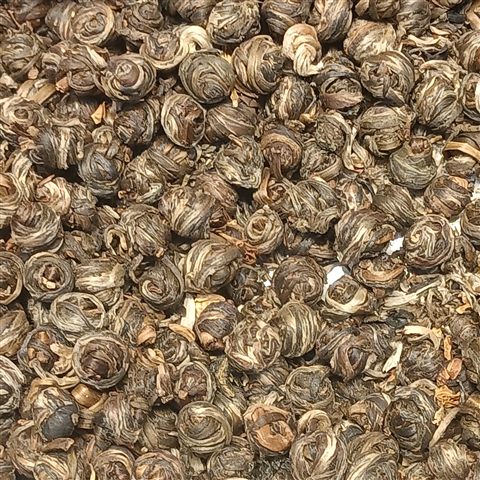
You do not need to learn every tea name before making a good choice. Begin with a contrast you can imagine: a floral aroma, a fresh leafy cup, or something warmer and more roasted. Jasmine Pearls offer a useful introduction to scented tea, while Silver Needle introduces a very different shape of leaf and a gentler style of white tea. Oolong covers a wide range, so a lightly finished Tieguanyin and a roasted Wuyi tea can make an interesting pair rather than interchangeable purchases.
Read the description for the particular tea in front of you. A name gives you a starting point, but its origin, leaf material, processing and finish help explain what you might find in the cup. Start with a small amount when exploring an unfamiliar style. Our tasting guide shows how to compare contrasting teas and record what you like before deciding what to try next.
Make a cup you can repeat
A favourite mug, a roomy infuser and a way to measure time are enough to start. Knowing roughly how much water your mug holds makes a brewing suggestion much easier to use. Measure the leaves once, note the water temperature if you can, and taste before deciding that the infusion needs longer. When the cup is ready, lift the infuser or pour the tea away from the leaves so the strength does not keep changing while you drink.
Keep your first adjustment small. If the cup feels heavy or bitter, try a shorter infusion before changing the leaf quantity and water temperature as well. If it seems faint, give the next cup a little more time or leaf. A brief note about what you changed is more useful than hunting for one perfect recipe. Once you know a tea in a mug, you can explore a gaiwan or small pot without having to learn everything at once.
Follow the work behind the fragrance
The most useful tea stories explain something you can notice for yourself. In traditionally scented jasmine tea, prepared tea leaves take up the aroma released by fresh blossoms. The flowers and the tea have separate growing and processing stages before they meet. Learning how the flowers are handled, mixed with tea and separated again makes the fragrance easier to understand than a label that simply calls a tea floral or premium.
Our jasmine production guide follows that sequence step by step. It explains why makers pay attention to flower maturity, moisture and the conditions during scenting, and why repeated contact with fresh blossoms is a production choice rather than one fixed rule for every tea. Read it alongside the Jasmine Pearls guide: the first explains the making, while the second helps you choose, brew and look after a rolled jasmine tea at home.
Let one question lead to the next
A little reading is most useful when it connects to the tea you already have. If a packet says oolong, begin with processing and styles. If you are choosing equipment, think about capacity, how the leaves will expand and whether the vessel is easy to empty and clean. If a fresh tea has lost its aroma, check its container and surroundings before assuming the leaves were poor to begin with. These everyday questions give you a practical route through a subject that can otherwise feel full of unfamiliar names.
The learning section brings those routes together, from a first cup to comparing varieties and exploring the places behind them. There is also an Italian introduction to Chinese green teas, with familiar names such as Long Jing and Tai Ping Hou Kui explained in context. Follow whichever guide answers your present question, try something in your own cup, and return when you are ready for the next one. You can build confidence a cup at a time.
Photo credits
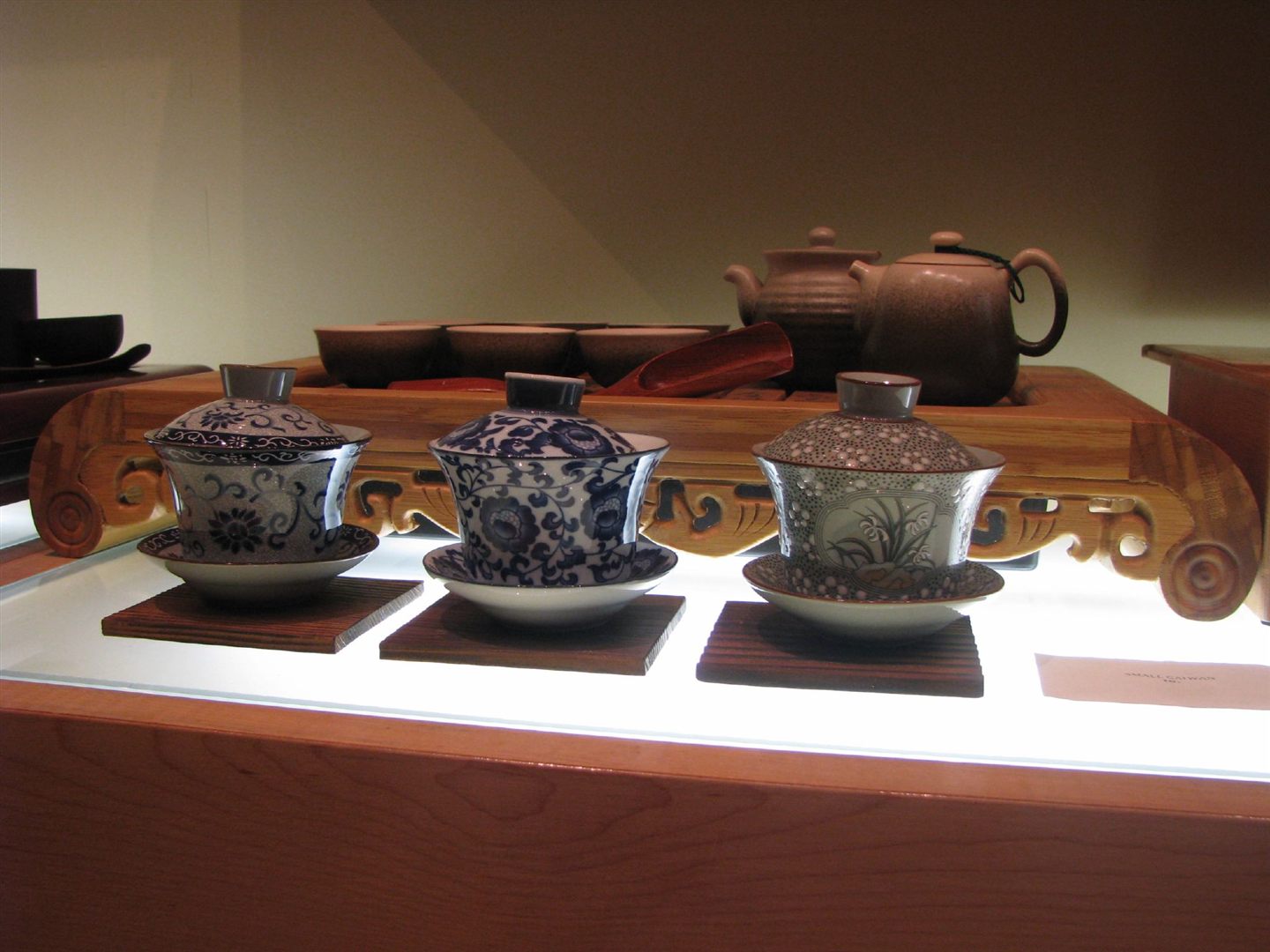
- Chinese tea set and three gaiwan.jpg — Gary Stevens, CC BY 2.0
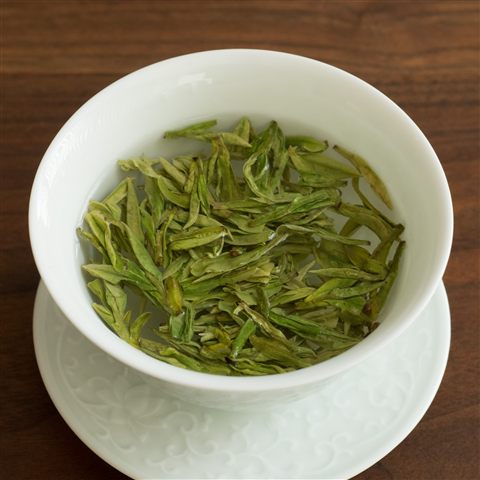
- Longjing tea steeping in gaiwan.jpg — Difference engine, CC BY-SA 4.0
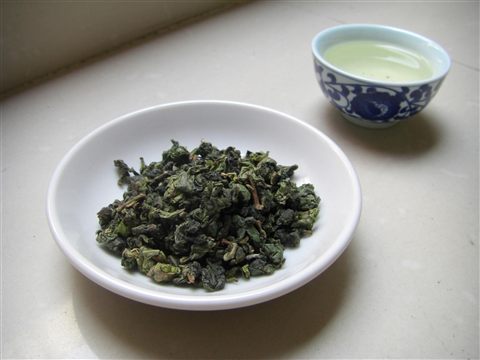
- Tieguanyin2.jpg — Quelcrime, Public domain
- Jasmine tea pearls.jpg — Fumikas Sagisavas, CC0 1.0
- China Wuyishan Tea Plantation.jpg — Lennartbj, CC BY-SA 4.0


Photos resized and compressed; some views are cropped for display.