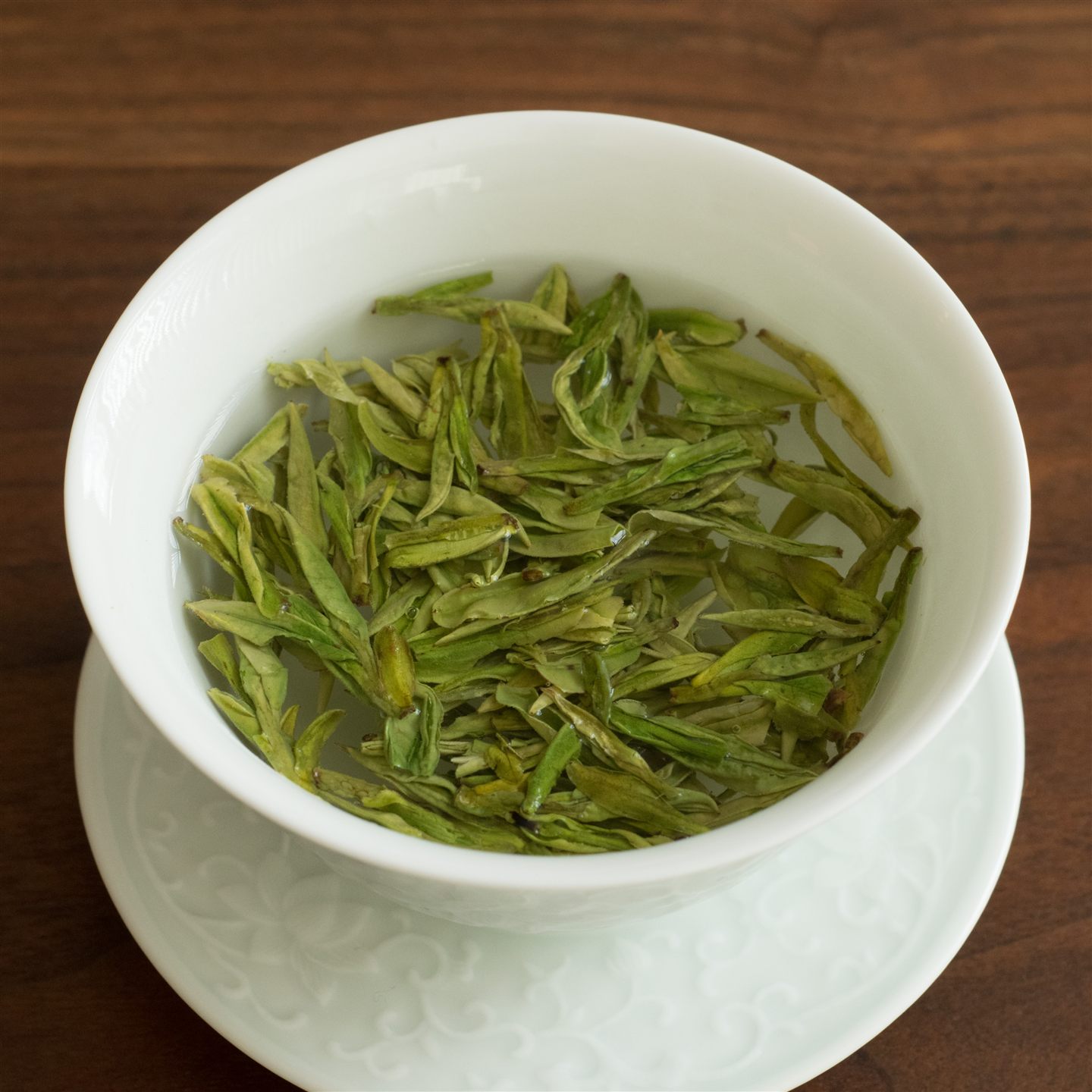
Practice with cool water over a sink before adding hot water. Keep the rim dry, leave space below it, and stop if the grip or pour feels awkward. A small pot with a handle is a perfectly good alternative.
First decide: brewer or drinking cup?
As a brewer, a gaiwan holds the leaves for a short infusion, then you tilt it to pour the entire liquor into a separate cup or pitcher. As a drinking cup, the saucer supports the bowl and the lid holds leaves back while you sip. The movements are different. The practice sequence below is for using a gaiwan as a brewer; the drinking-cup option is explained further on.
Rehearse the whole movement with cool water before heating the bowl. Choose a size your fingers can span, check the usable fill level, set a small lid gap, and place a receiving cup low and close. Pour away from your fingers and return the bowl to a stable saucer. Once that feels steady, add actual tea and use a recipe for that leaf rather than guessing from the gaiwan's size alone.
| Step | Check before moving on |
|---|---|
| Choose | Rim and lid knob are reachable; working volume is known |
| Rehearse | Cool water flows through a small lid gap away from fingers |
| Fill | Leave a dry grip area below the rim |
| Pour | Keep the receiving cup low; decant without shaking |
| Set down | Return the bowl upright onto a stable saucer |
Stop if the bowl, lid or steam path is uncomfortable; a handled pot is a good alternative.
- Fill below the rimLeave a dry area for your grip
- Set a small lid gapEnough for water; hold back leaf
- Pour into a low pitcherKeep fingers out of the steam path
- Set the bowl downStop if the grip feels insecure
A gaiwan rim, lid and escaping steam can burn. If pouring feels awkward, use a handled pot or infuser instead.
Pick a bowl that fits your hand
A porcelain gaiwan around 100–110 ml of usable volume is a manageable place to start for one or two people. Look for a rim that flares outward enough for your fingertips, a lid knob that stands above the lid, and a lid that sits steadily but can be tilted to make a pouring gap. Handle an empty example if possible. Your fingers should reach the rim comfortably without stretching across a hot bowl.
Check capacity with cool water at the level you would actually fill for brewing. Nominal capacity may mean water to the brim, while the safe working level is lower. A broad, heavy or thick-walled gaiwan can remain hot at the rim; a tiny one may demand more precision. Read the teaware guide if you are comparing a gaiwan with a handled pot.
Rehearse the grip before heat is involved
Set an empty gaiwan on a stable table. Place the lid slightly askew so the far side has a narrow opening for liquid while the near side remains covered. With one common three-finger grip, thumb and middle finger touch opposite parts of the bowl's flared rim and the index finger rests lightly on the lid knob. Keep the other fingers out of the path of the pour. The exact hand position can vary with vessel and hand size; control matters more than imitation.
Lift the empty bowl only a short distance and rotate the wrist toward a large receiving cup. The lid should stay in place without needing a hard downward press. Try the movement from start to finish several times. If it wobbles, set it down and adjust the gap or try another grip. Do not learn this while balancing a full bowl of boiling water.
Test the pouring gap with cool water
Fill the gaiwan roughly three-quarters full with cool water, place the lid, and pour into a cup or pitcher over the sink. Notice whether water streams cleanly from the far side and whether any leaks toward the fingers. The lid gap should pass liquid while holding back most leaves. If the gap is too narrow, the flow may stall; if too wide, fragments may escape and a sudden surge can be hard to control.
Repeat with a few dry tea leaves in cool water if you want to see how the lid strains. Aim the spout formed by lid and rim away from your hand. Practice returning the gaiwan upright before setting it down, so drips fall into the receiving vessel.
Add hot water with space for the lid
Once the cool-water pour is controlled, put measured tea in the gaiwan on a stable surface and add water suited to that leaf. Pour from a sensible height, with the kettle spout close enough to avoid splashing. Stop well below the rim; a useful beginner target is about 70–80% of the bowl. Set the lid on without reaching through steam. A dry, exposed rim gives fingers a better place to grip than a rim washed over by hot water.
The bowl wall, underside of the lid and escaping steam can all burn. Keep a towel for the outside only, not for gripping a dangerously hot, overfilled vessel. If you spill water over the rim, set the bowl down and wait or carefully clear the area before lifting. If the grip feels awkward, stop and use a handled infuser or pot. Tea can be brewed well without a gaiwan.
Pour the infusion in one controlled motion
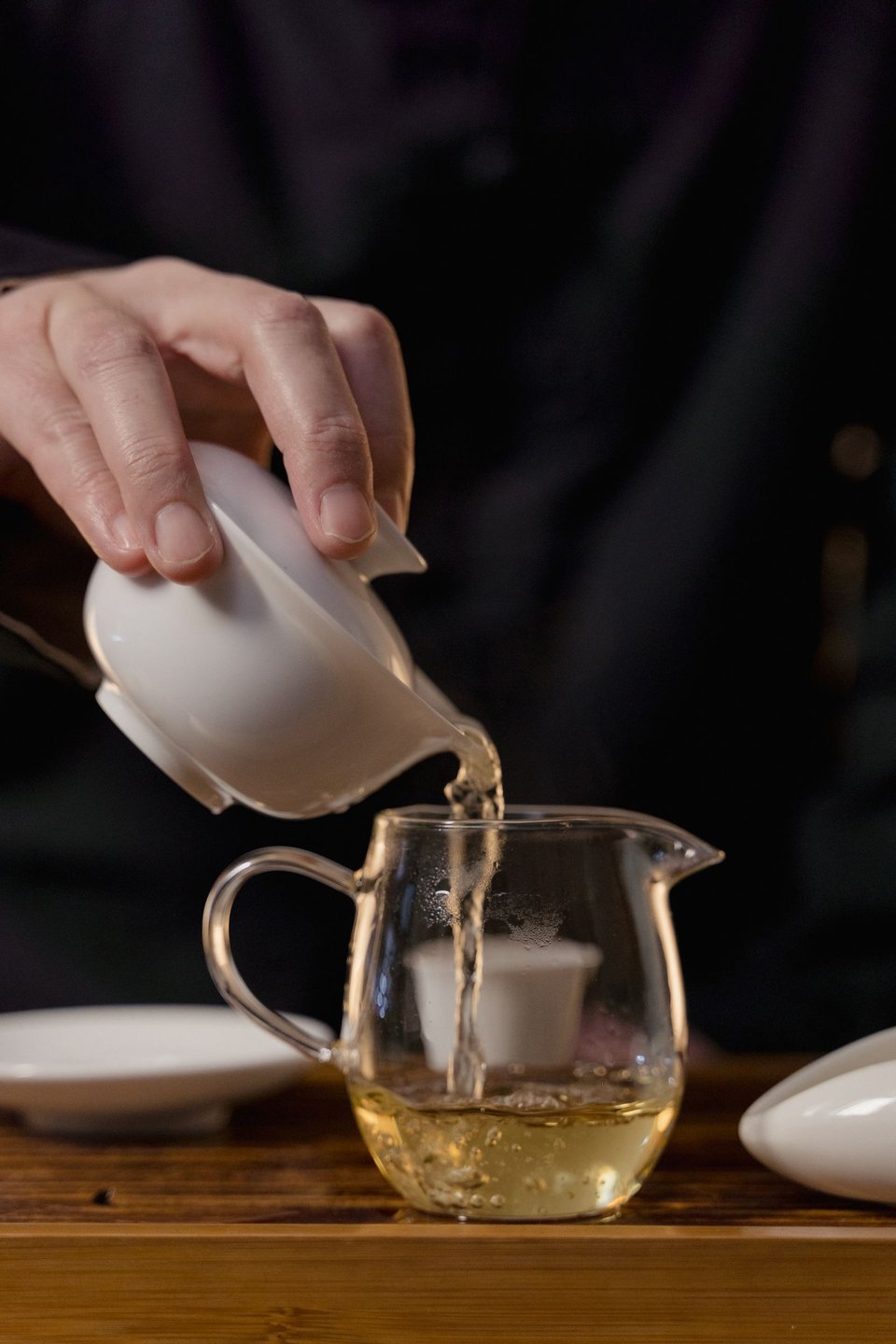
When the tea's chosen time is up, set the lid to a modest gap. Hold the dry rim at opposite points, steady the lid by its knob, and tilt the bowl toward a pitcher or cup large enough for the full infusion. Keep the receiving vessel close and below the rim. Tip steadily, not sharply, and keep hands clear of both the stream and the steam escaping from the opening.
Decant as completely as is comfortable; leftover water continues extracting from the leaves. You do not need to invert the bowl or shake it to force the last drops out. Return the gaiwan upright and place it on its saucer or a stable mat. If serving several cups, first collect the whole infusion in a pitcher. The gongfu brewing guide covers ratios and successive pour timings; this page is about the physical handling.
Distinguish brewing in a gaiwan from drinking from one
Some traditions use the gaiwan as the actual drinking cup. In that arrangement the saucer supports the bowl and the lid is moved just enough to hold back leaves while sipping. That is a different movement from tipping a brewer to empty it into a pitcher. Do not lift a hot drinking bowl by pinching its sides as though it were an empty brewing bowl.
For a first tea session, choose one use and arrange the table around it. Brewing and decanting into an ordinary cup makes temperature easier to judge before drinking. A gaiwan used as a cup can remain hot for longer, and the lid and saucer need coordinated handling. Let the tea cool before sipping regardless of the method.
Clean it and keep the skill repeatable
After the gaiwan cools, remove spent leaves and wash the bowl, lid and saucer according to their material and maker's care directions. Check that the lid seats cleanly next time; leaf fragments caught at the edge can alter the pour. Dry the rim and work surface before another practice round.
If one vessel repeatedly sends steam toward your fingers or feels difficult to control, change the vessel rather than forcing the technique. Different lid shapes, rim widths and hand sizes produce different results. Start again with cool water whenever you switch gaiwans. Once the movement is comfortable, use a tea's own instructions for leaf, heat and time.
