Start with one repeatable cup
Choose one tea and follow its maker's brewing directions for the first cup. Write down roughly how much leaf and water you used, the water temperature and the steep time. Pour the finished liquor off the leaves so it does not continue steeping. If the cup is heavy or bitter, shorten the next infusion; if it is faint, change one factor at a time. This small record is more useful than chasing a universal formula because leaf shape, processing and personal taste all differ.
Water is the next variable to test. The UK Tea & Infusions Association gives around 80 °C as a general green tea starting point and advises reading the package instructions. A noticeably hard or strongly flavoured water may change a delicate tea. Compare the same leaf with another drinkable water before deciding the tea itself is at fault. The brewing guide covers simple vessel and timing choices, while the water guide explains why temperature and water character matter.
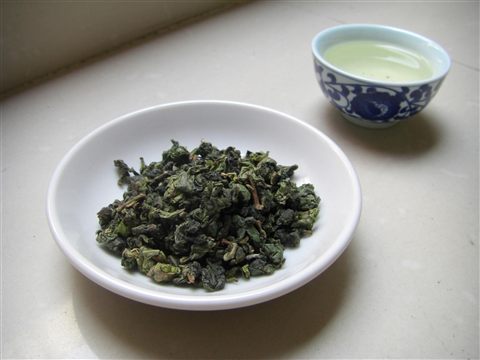
Tieguanyin
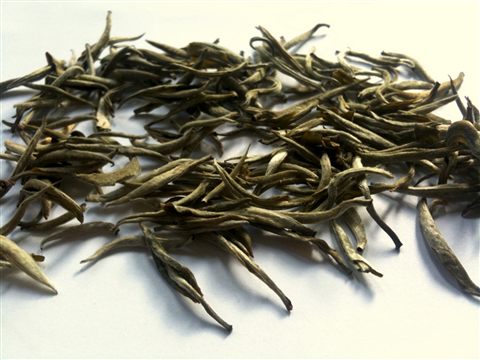
White-tea buds
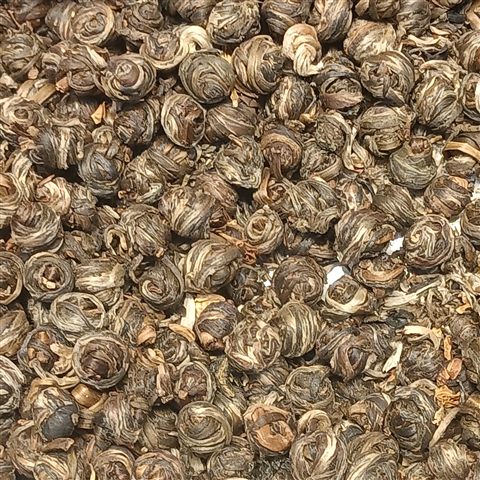
Jasmine Pearls
Understand what happened to the leaf
Green, oolong, black and white teas are all made from Camellia sinensis. Processing is central to their differences: heat applied early limits oxidation in green tea, while oolong production allows some oxidation before the maker heats the leaf. Those categories still contain enormous variation. Region, cultivar, plucking, shape and finishing choices affect what ends up in a cup. The term «fermented» appears in tea writing, but enzymatic oxidation is the clearer description for the familiar oolong stage.
For a close look at one process, follow the Tieguanyin making guide from withering through shaking, heating, shaping and drying. Read the oolong overview alongside it: the first follows a named style, and the second explains why two oolongs may taste unlike each other. The Italian green tea guide offers a different comparison through Long Jing, Tai Ping Hou Kui and other Chinese styles. The links let you move from a broad idea to concrete leaf shapes and regional names.
Follow a place, or follow an aroma
An origin name can identify a province, a smaller protected area or merely a style associated with a place. The Fujian guide is a useful example: the province is linked with oolong, white and jasmine scented teas, yet «Fujian» on a label cannot tell you the exact garden or production method. When reading any tea description, separate what is named from what is actually known about that particular lot. Then compare the region with the leaf and process rather than assuming one place produces only one kind of tea.
If aroma brought you here, follow jasmine tea. Jasmine pearls are rolled tea leaves that open while brewing; the flower fragrance comes from a scenting step in traditionally made examples. The pearl guide helps you read a label, and the step-by-step jasmine guide follows how fresh blossoms and prepared tea can be brought together. The guides also explain why flowers visible in the packet are neither required nor proof of a particular method.
Choose a useful next comparison
Try comparing two clearly identified teas with the same water and vessel. Green tea beside an oolong helps you explore differences in processing and leaf style. Comparing a jasmine tea with its unscented base, when available, gives a closer look at the contribution of scenting. A sampler can be convenient if its contents are specified: look for the tea names and enough information about each one to make a useful comparison. Silver Needle provides another leaf style to investigate through its buds, brewing and aroma.
A simple tasting note can contain just four observations: dry-leaf aroma, wet-leaf aroma, the first sip and the aftertaste. Add the steep time if you plan to try again. Do not treat colour, price, a poetic name or the number of infusions as a stand-alone quality score. If a tea interests you, find out where it came from and how it was made before drawing a bigger conclusion about the whole category.
Keep the tea and tools ready for the next cup
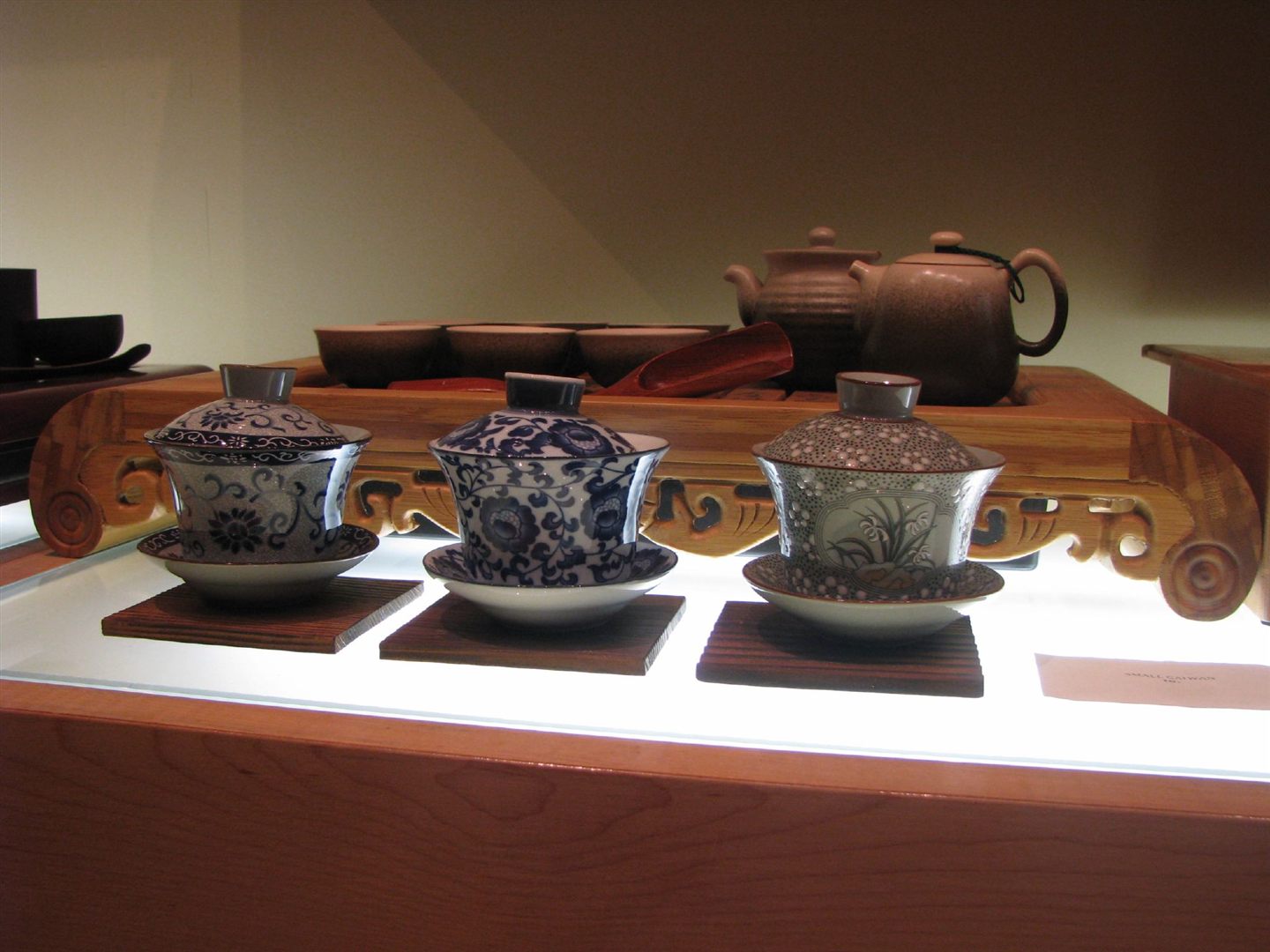
Good equipment makes brewing repeatable, not complicated. A roomy infuser that you can lift out may serve better than an elaborate pot whose leaves cannot be separated from the liquor. Check vessel capacity against the number of people drinking, and clean and dry the parts that hold wet leaves. The teaware guide compares cups, infuser pots, gaiwans and storage containers without assuming a particular product is necessary.
Dry tea is best kept sealed in a cool, dry place away from strong smells. The storage guide deals with light, moisture and temperature changes, including why a frequently opened transparent jar on a sunny shelf is a poor long-term home for delicate leaf. Return here whenever you want a new reading path: brew a tea, ask one question about the leaf or method, and follow the guide that answers it.


