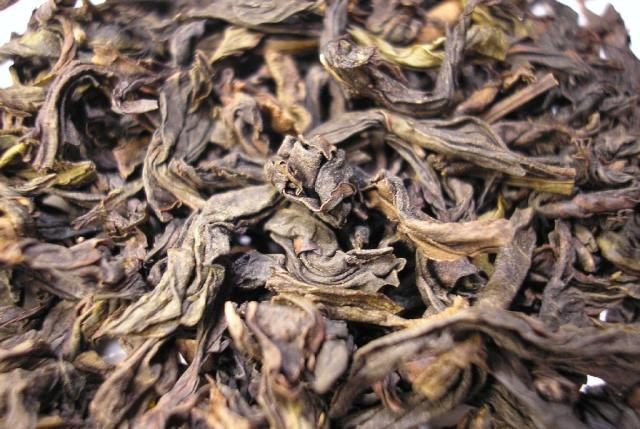
Gaiwan trial: 6–7 g in 100–110 ml, 95–100°C water, first infusion about 8–12 seconds, then adjust. Larger cup trial: 3–4 g in 250 ml at about 95°C, check at two minutes. Let the tea cool before tasting.
Choose a gaiwan or a larger cup
First check the maker's directions for your particular Da Hong Pao. Wuyi Origin's 2026 blend uses 7–8 g per 100 ml and a very short first drinkable pour after a brief rinse; its larger-vessel method uses 3–4 g per 250 ml for two to three minutes. TeaVivre's Qi Dan product gives another high-leaf, short-pour gaiwan recipe. The lighter gaiwan trial below leaves room to lengthen if your packet is unfamiliar. These measurements are starting routes, not interchangeable instructions for every Wuyi tea.
A rinse is optional unless you choose to follow a producer's specific recipe. If you rinse, pour it off promptly and time the next addition as your first drinkable infusion. Keep the vessel's working volume, leaf weight and timing convention in your notes: starting the clock as water first touches the leaves can produce a different result from timing only after the vessel is full. Roast and leaf composition also change how the same numbers taste.
| Method | Leaf and water | First check |
|---|---|---|
| Small gaiwan | 6–7 g in 100–110 ml; 95–100°C | Decant after about 8–12 seconds; adjust the next pour |
| Larger cup or small pot | 3–4 g in 250 ml; about 95°C | Taste at about two minutes; remove leaf when balanced |
Use the producer's recipe where supplied. Let every infusion cool before tasting.
Know what your packet calls Da Hong Pao
Modern Da Hong Pao is a market name used for more than one Wuyi rock tea. Wuyi Origin describes a Da Hong Pao blend made from several named cultivars; TeaVivre sells a Qi Dan variety under the name. Neither is an invitation to treat every packet as the same leaf. The mother bushes belong to the history of the name, and ordinary retail tea should not be presented as harvested from them.
Read the listing for blend or cultivar, growing area, roast level and maker's brewing directions. A medium roast may show more floral or fruit notes than a heavily baked version; the specific result depends on leaf and processing. If the packet says only 'Big Red Robe', start with a flexible recipe and take notes.
Prepare a small vessel for successive pours
Use a 100–110 ml porcelain gaiwan or small teapot, a cup or sharing pitcher, a scale if available and safe drinking water. Measure the vessel's working volume with cool water: you need space below the rim for the lid and your fingers. Set it on a stable surface. A warm-water swirl through the empty vessel is optional; discard that water before adding leaf.
Begin with 6–7 g of Da Hong Pao for that working volume and water around 95–100°C. Wuyi Origin's blended-tea guidance uses 7–8 g per 100 ml and a roughly five-second first infusion after a brief rinse; TeaVivre's Qi Dan product also uses a high leaf dose and short pours. A slightly lighter first trial gives room to lengthen the infusion if the leaf is unfamiliar. Keep the kettle stream and steam away from your hands.
Make the first drinkable infusion
Place the leaves in the vessel and add hot water without filling to the brim. Some maker instructions include a very quick rinse, while others begin with a drinkable infusion. If you choose to rinse, pour it away promptly; do not describe that step as a guarantee of cleanliness. Refill, start timing consistently, and pour after about 8–12 seconds for this 6–7 g starting trial.
Decant the infusion fully into a pitcher or cup. A pitcher blends the whole pour before several people share it. Let the liquor cool enough to taste. Notice roast, texture and any fruit, floral or mineral impressions that actually appear; do not demand a fixed list of notes from every Da Hong Pao.
Follow the leaf through later infusions
Refill at a similar temperature and try another short pour. Add perhaps five seconds if the first was light; hold steady or shorten it if the cup was too intense. As the leaves give up flavour, later rounds may need progressively longer contact. There is no required number of infusions. The useful endpoint is when the liquor no longer tastes worth another pour to you.
Keep each infusion separate at least once. It is easier to see whether roast dominates only the opening cup or remains throughout. If several cups will be served, combine one complete infusion in a sharing pitcher before dividing it. In between pours, avoid leaving a pool of hot liquor over the leaves; it continues extracting and makes your timing less meaningful. See the gongfu brewing guide for the wider small-vessel workflow.
| What you tasted | Next move |
|---|---|
| Light or thin | Add a few seconds to the next pour |
| Strong or drying | Shorten the next pour; reduce leaf next session if needed |
| Balanced | Keep a similar short pour and taste again |
| Fading after several rounds | Extend time gradually, or stop when the result no longer appeals |
This is a decision path, not a prescribed number of infusions.
Brew a larger, simpler cup
For a mug or small pot with a removable infuser, start with 3–4 g in 250 ml of water around 95°C. Check at about two minutes, then let it run a little longer if the flavour is too slight. Lift the infuser or pour the whole pot when it tastes right. Wuyi Origin gives a comparable larger-vessel ratio and a two-to-three-minute first steep for its blend. Your particular tea may need more or less time.
A larger cup will not reproduce the sequence of short gaiwan infusions. It brings the leaf's opening flavours together in one longer extraction, which can be very satisfying. Refill the infuser for a second cup if the leaves still have flavour, adding time as needed. Keep the vessel and dose noted so you can distinguish a changed recipe from a different roast or blend.
Correct a thin, harsh or roast-heavy result
A thin cup can come from too little leaf, too much water or a pour that ended before the leaves released much flavour. Lengthen the next infusion first. If several cups remain weak, raise the dose slightly in the next session. A harsh or drying cup often improves when you shorten the pour or use a little less leaf. Keep the same water and vessel while testing one change.
If the cup tastes mainly of char or smoke, confirm what roast the seller described. Try a shorter pour and compare later infusions; some teas settle after the opening round. If the roast still overwhelms everything, a lighter roast or a better described product may fit your taste better.
Keep notes for the next packet
Record whether the tea was a blend or named cultivar, its stated roast, your vessel volume, grams, temperature and the first three infusion times. Add one plain observation about what you liked or would change. That is enough to compare two commercial Da Hong Pao products fairly. Without those details, a different roast can be mistaken for a mistake in brewing.
Keep remaining leaves dry, sealed, away from sunlight and strong kitchen odours, following the maker's storage note. For a wider introduction to Wuyi and Anxi oolongs, see what is oolong tea and Fujian province. The general Chinese tea brewing guide is a better starting place if you have not yet chosen a small vessel.
