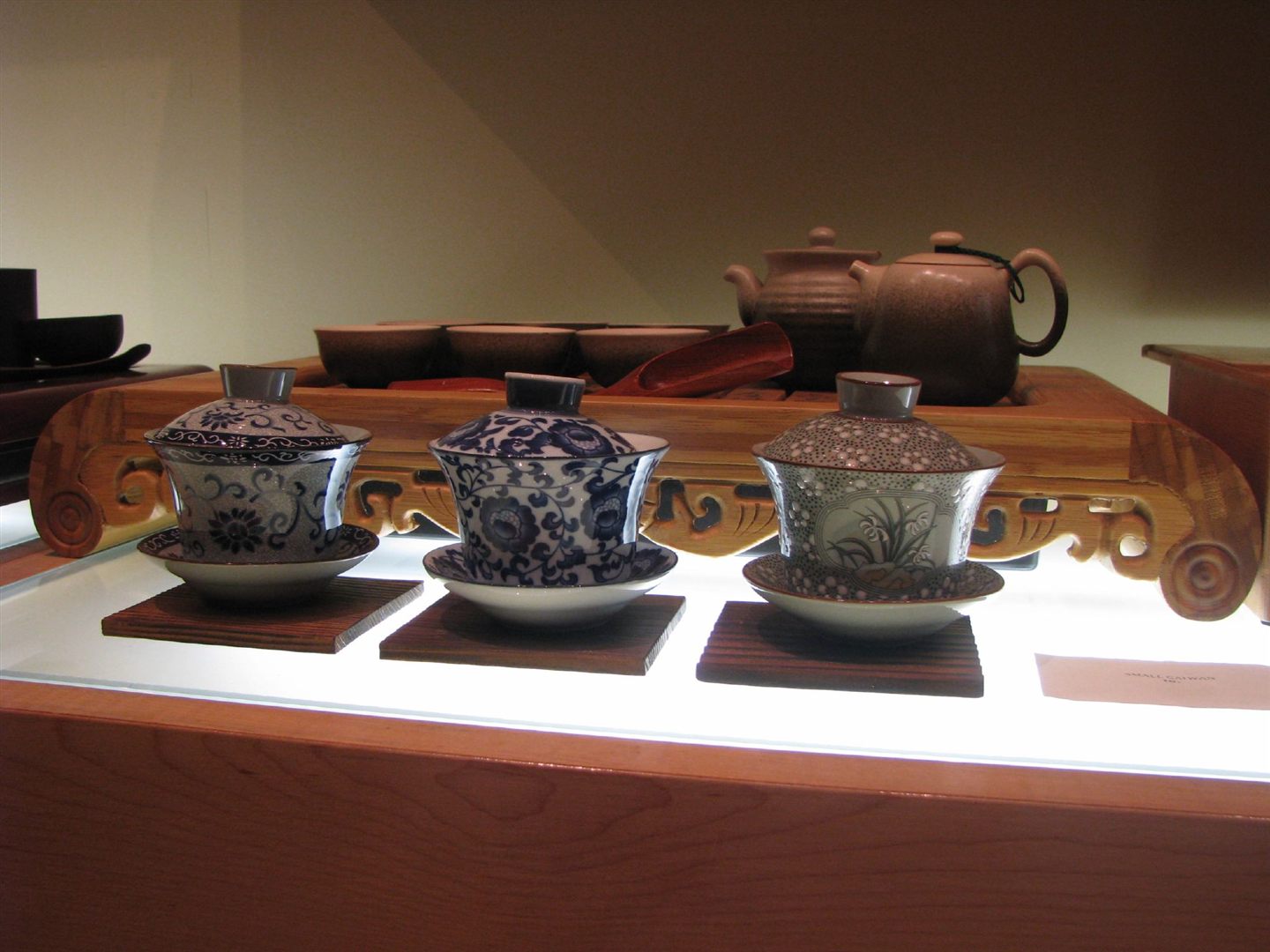
Know what you are comparing
Tieguanyin, often translated as Iron Buddha or Iron Goddess, is an oolong. A green-looking, lightly finished example can suggest fresh or floral notes, but green-looking does not make it a green tea. Other Tieguanyin styles can be more roasted. For this flight, choose a lighter example if you want to explore a clean, crisp character alongside the more roasted Wuyi tea. Read its finishing description rather than relying on the name alone.
Da Hong Pao belongs to the Wuyi rock-tea tradition and is also an oolong. A roasted example can offer a richer, nutty impression. Roast and individual production choices can make a particular Wuyi tea seem deeper than a lightly finished Tieguanyin, but smoke is not a required note. Jasmine Pearls are rolled tea leaves, commonly a green-tea base, scented with jasmine. Their floral fragrance is part of the tea's processing rather than proof that loose flowers are inside each pearl.
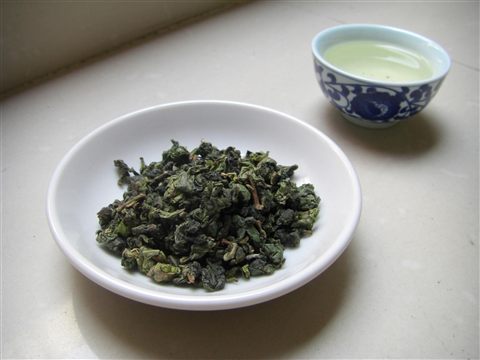
Tieguanyin
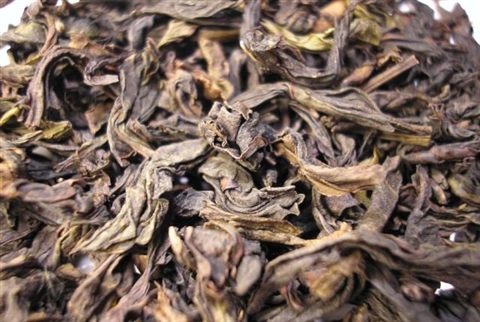
Da Hong Pao
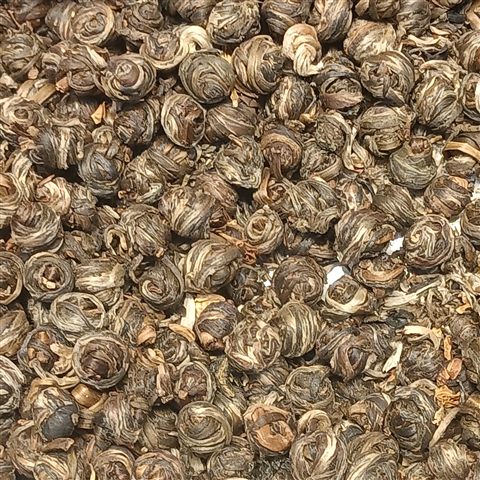
Jasmine Pearls
Set up a fair, manageable flight
Use three small cups or bowls and a separate infuser for each tea, or rinse one infuser thoroughly between brews. Plain, identical cups make colour easier to compare. Keep your water source, cup size and approximate leaf weight consistent. A kitchen scale is helpful because rolled pearls, ball-shaped oolong and strip-shaped rock tea take up very different amounts of space in a teaspoon. Start with roughly 3 g per 200 ml for each tea if the packet gives no directions; this is a trial dose, not a quality test.
Make the first pass with a brewing method suited to each leaf rather than forcing every tea into one temperature. Try water around 80–85°C for a green-tea jasmine pearl, around 90–95°C for a lighter Tieguanyin and around 95°C for a Wuyi oolong, then follow the maker's directions when available. Taste after a short infusion, approximately one to two minutes, and remove the leaves when the cup is ready. If an instruction calls for a different leaf-to-water ratio, its timing may not transfer to this mug method.
- Write the tea's name, leaf weight, water volume, temperature and infusion time before tasting.
- Smell the dry leaf, then the warm wet leaf, and finally the brewed cup; these can differ.
- Keep a glass of plain water nearby and allow a moment between teas.
Taste in an order you can explain
Begin with the lighter Tieguanyin, move to Da Hong Pao, and finish with Jasmine Pearls. This puts the explicitly scented tea last so that its jasmine aroma is less likely to colour your impression of the oolongs. There is no mandatory order: a strongly roasted Da Hong Pao may linger more than a gentle jasmine tea. If that happens, take a water break and repeat the pair in reverse order on another day. The point is to notice how order changes perception, not to find a winning tea in one sitting.
Take small sips at the same comfortable drinking temperature. First ask about body: does the liquor feel thin, rounded or weighty? Next consider the kind of aroma and whether it matches the taste. Finally notice the finish after swallowing: brief, lingering, drying or pleasantly sweet. A pale liquor can have a distinct aroma; a dark one is not automatically stronger. Avoid assigning a score until you can describe what you actually noticed.
Turn impressions into useful notes
Use ordinary words rather than a flavour wheel. ‘Fresh and light,’ ‘roasted and rounded,’ or ‘floral scent stronger than taste’ is more useful than a forced list of exotic ingredients. Record whether the cup changed as it cooled and whether a second infusion brought out a new quality. If you have only one small sample of each, save a portion to repeat the tea you found hardest to understand rather than using everything in one session.
Treat an unpleasant cup as a brewing question before deciding you dislike the style. Too much leaf or a long infusion can crowd out lighter notes; too little may make a tea seem empty. Change one variable on the second attempt, such as steeping time, and note the result. Do not make a simultaneous change to dose, heat and time: you will not know which change helped. Your notes become a personal recipe, not a verdict on all Tieguanyin, Wuyi tea or jasmine tea.
Choose what to try next
If the lighter oolong appealed, try another Tieguanyin and ask how it was finished; a roasted version can show how much the style changes within one familiar name. If the deeper Wuyi cup was your favourite, compare a different rock tea or another producer's Da Hong Pao. Ask about roast level and production area instead of assuming the famous name guarantees a single flavour. For jasmine, ask what base tea was used and whether the seller describes flower scenting. Compare it with an unscented green tea to isolate what the jasmine adds.
A good tasting flight ends with a next question. Perhaps you prefer fragrance over body, a warm roast over a cool floral note, or a tea that holds up to several infusions. Small purchases let you test that preference without committing to a large tin. Keep the notes from your first flight and repeat a favourite tea alongside the next sample. That familiar cup gives you a reference as you discover a new one.


